Committee members David and Paul brought the fun for the kiddos and highlighted with festival goers how allotment gardening aligns with the themes of sustainability and the environment. (Who wouldn’t want to stop and chat to these two?)
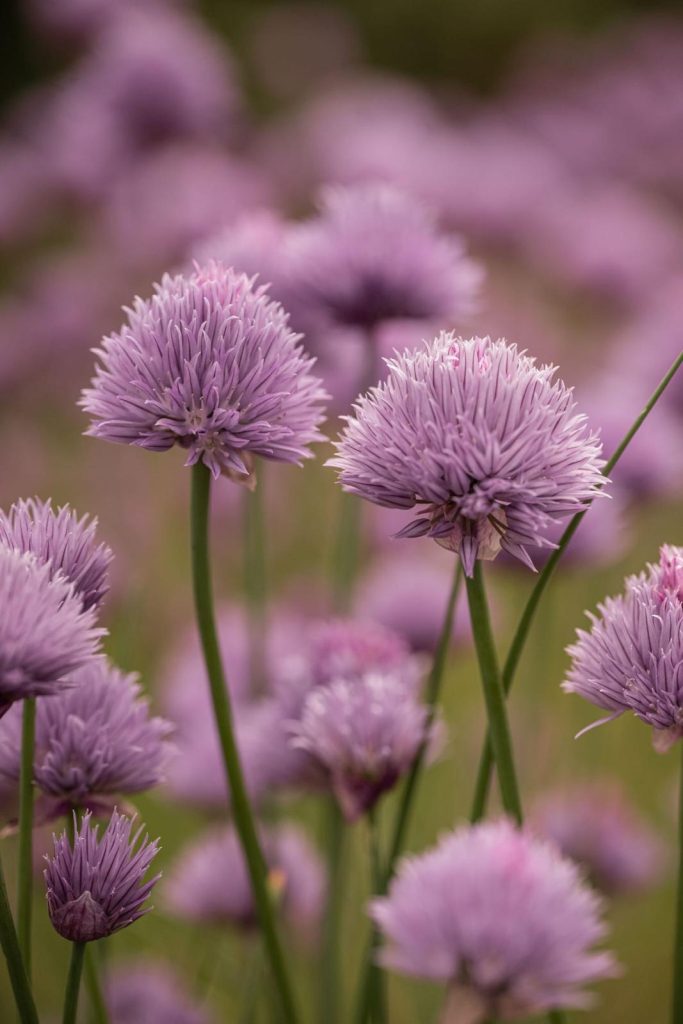
Team SMAA helped children fill their own takeaway pots of ‘magic beans’ and ‘edible flowers’. Yes, we’re proudly grooming the young folks – ‘planting a seed’, if you will – to be future allotmenters!
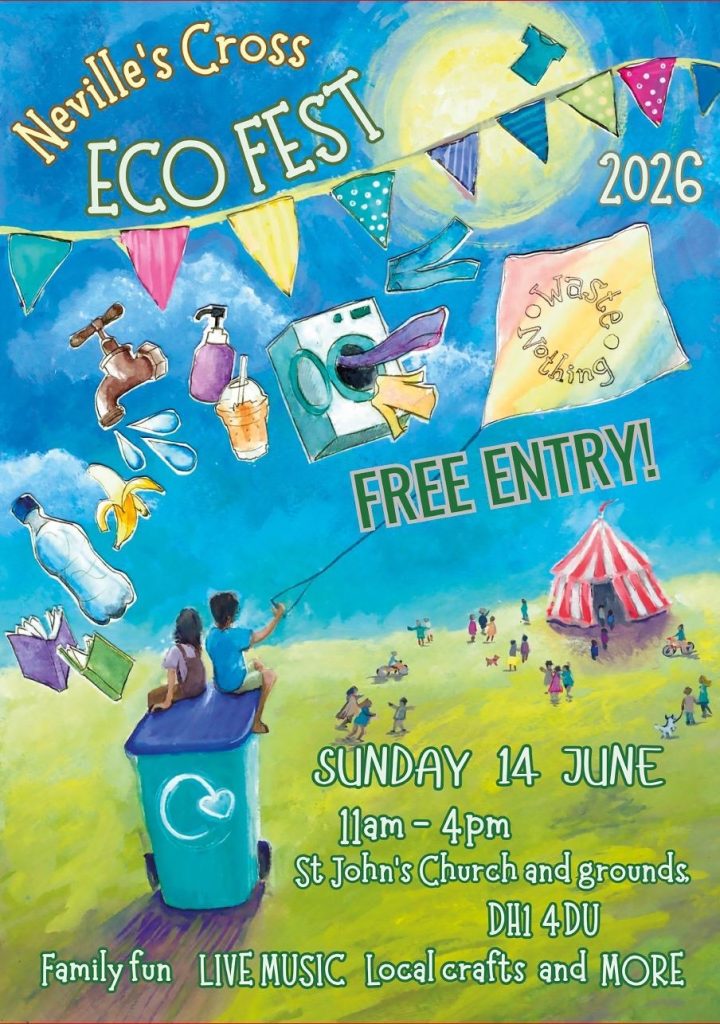
Durham’s Eco Festival has been held annually since 2008. Organised by St John’s Church, this community- and family-focused event is lots of fun and also highlights environmental and social justice matters with short talks from a range of expert speakers. Entry is free to all, and the festival takes place in and around St John’s Church on a Sunday in June each year.
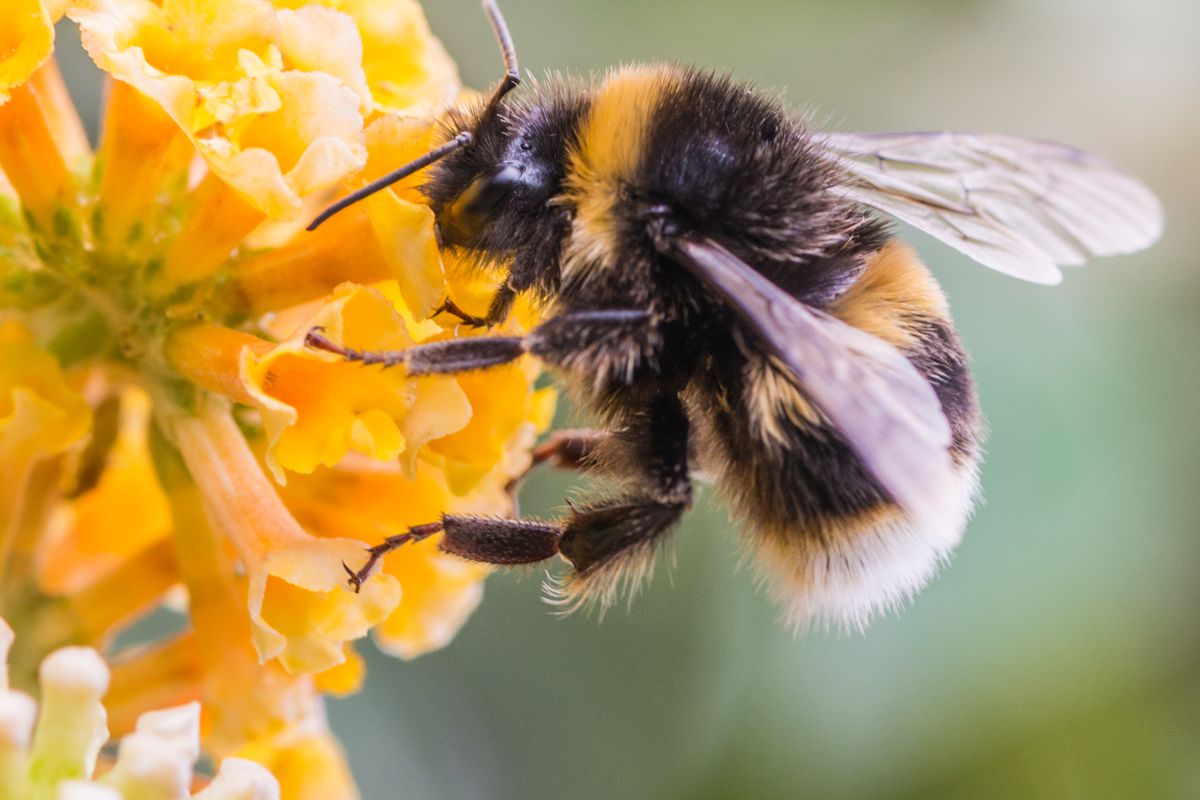
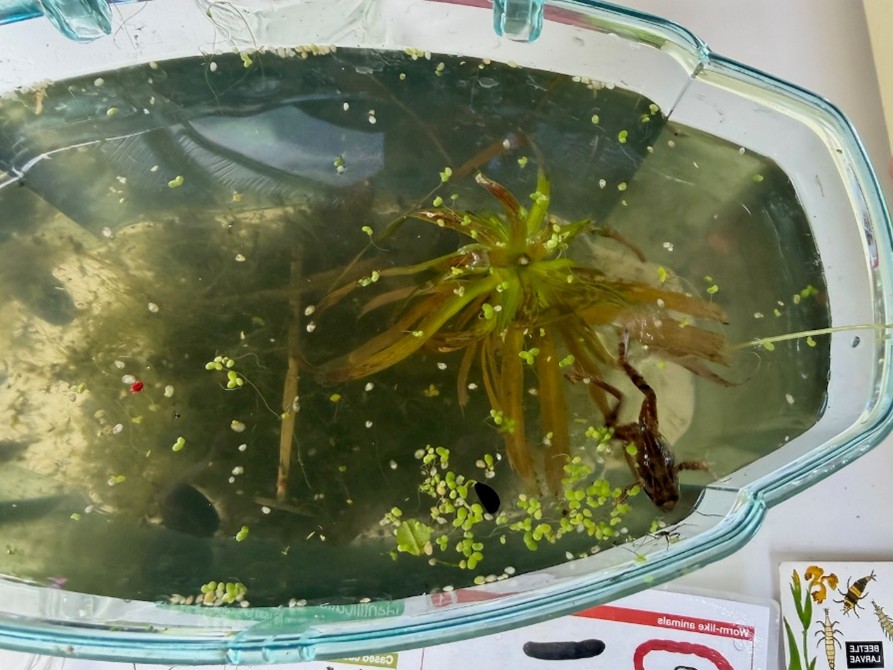
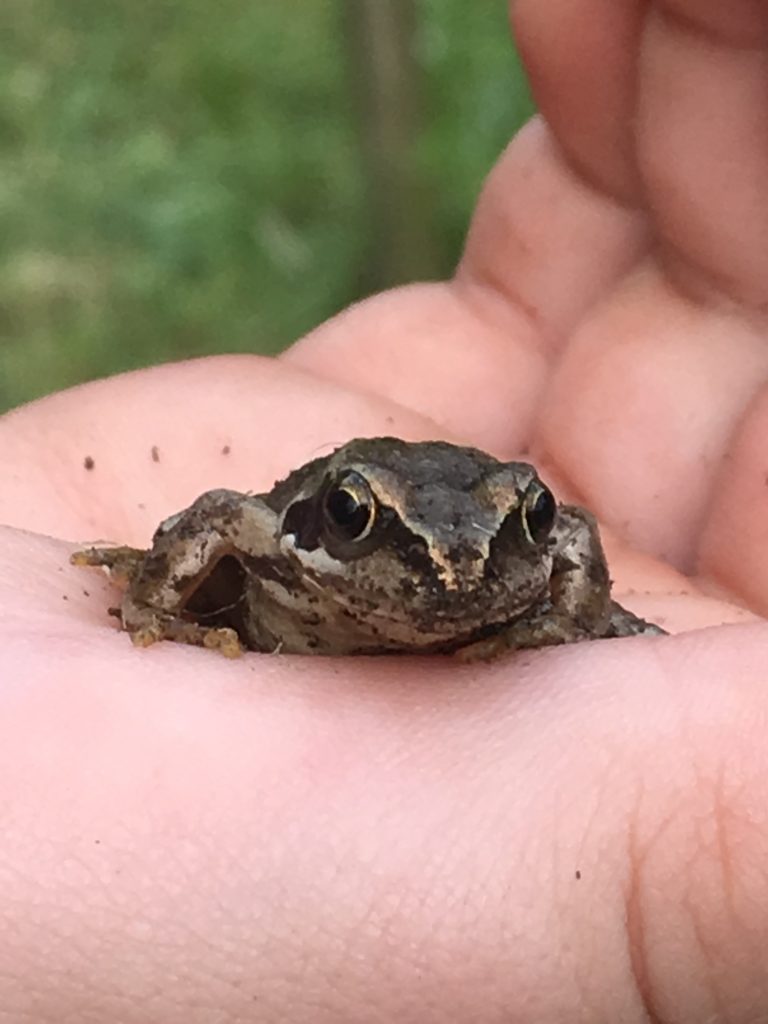
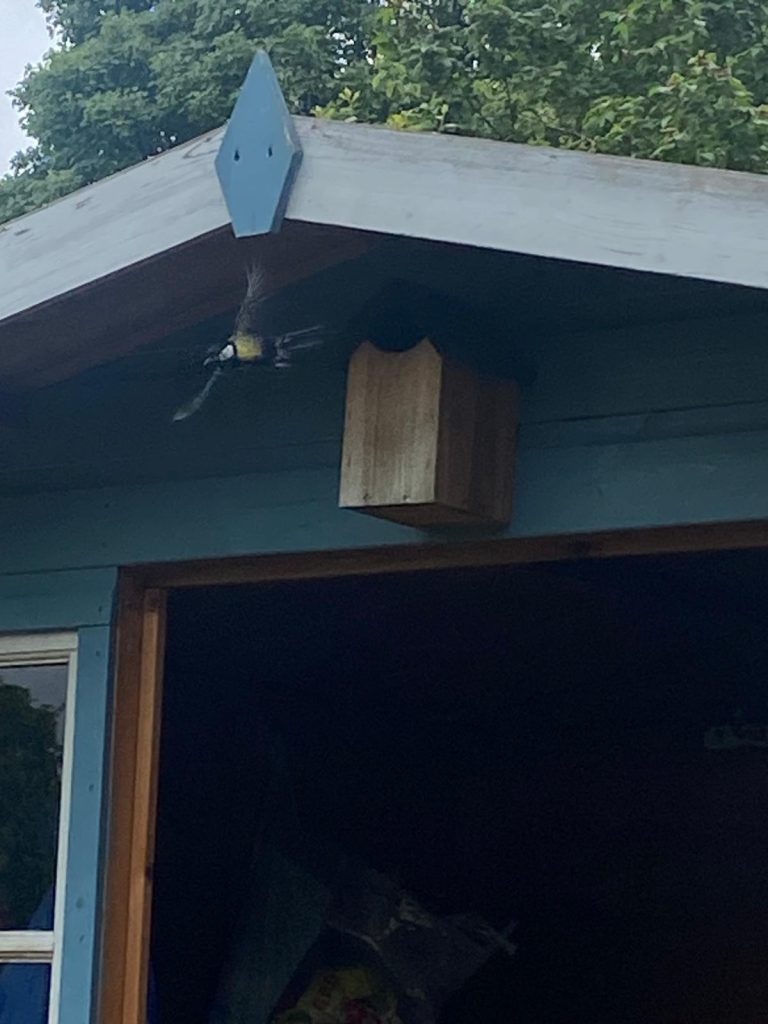
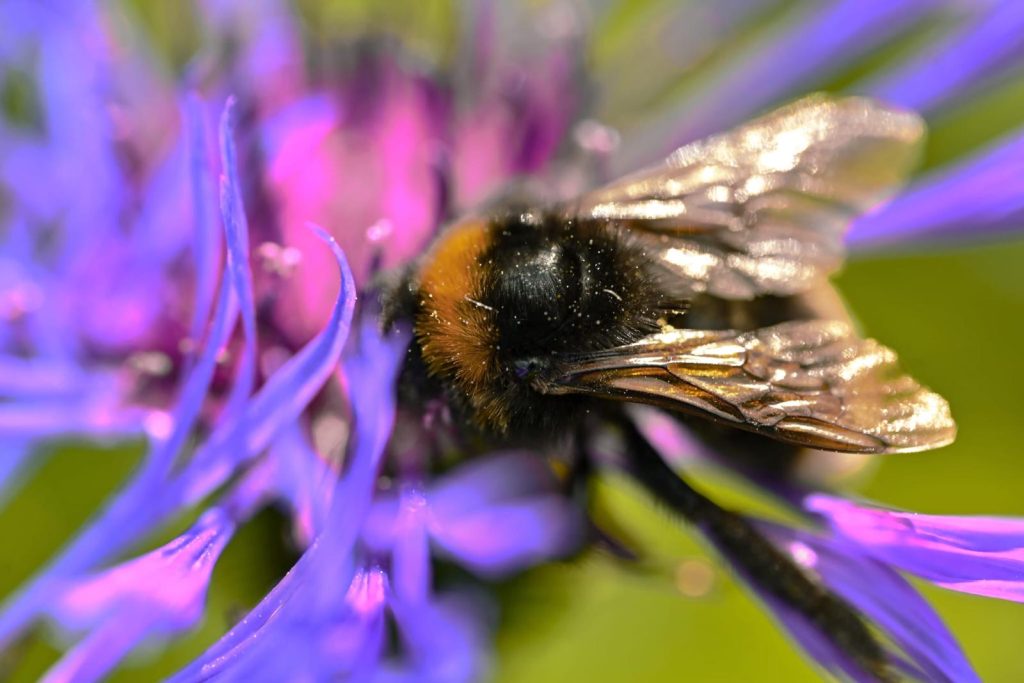
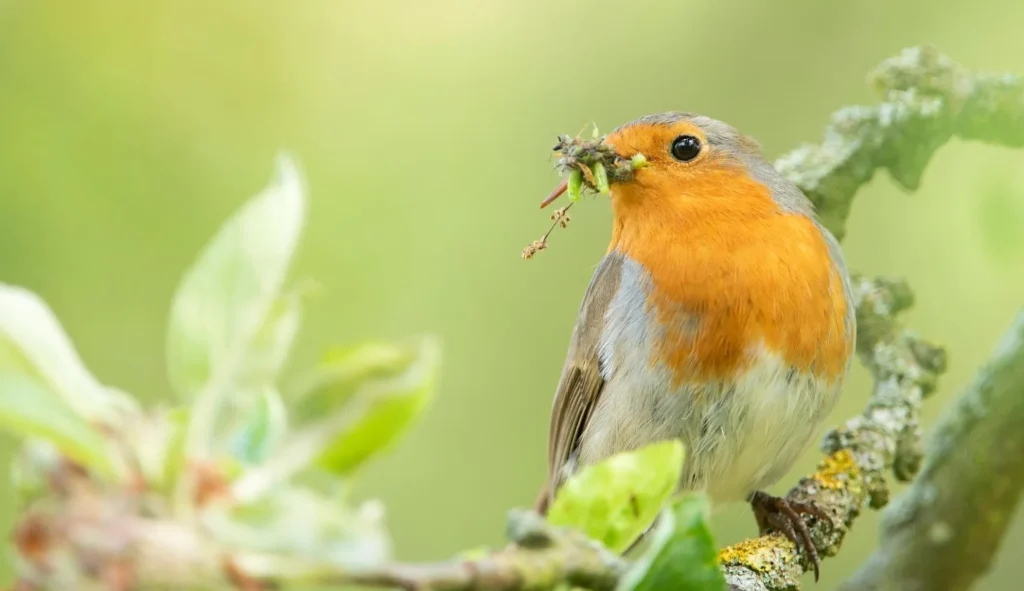
The two sites – allotments and churchyard – provide an amazing eleven acres of varied native hedgerow, native trees, wildlife-friendly areas, numerous nesting sites (including the boxes Tony Gibson put up in February), and an expanding network of allotment ponds.
Our sites can make a real difference to the environmental health and biodiversity of Durham, which in turn promises to increase our enjoyment of being on the site and the health of our crops. But how special is the wildlife on them, and what impact are our efforts to enrich it having? To answer those questions, we need to record what we see on as regular a basis as possible. Some of you are already doing this, and many of us recorded birds for the RSPB Big Garden Birdwatch in January. To put recording on a firm basis, and so that regional and national researchers can see our records, Yvonne Collingham and Ruth Chambers are exploring the use of the recording apps i-Record (https://irecord.org.uk/) and i-Naturalist (https://www.inaturalist.org/), which would provide us with an easily-used repository of any form of wildlife – birds, insects, bats, fungi, plants. Visitors to the site as well as SMAA members could make contributions to it, so that we could build up a really exciting picture. Watch this space!
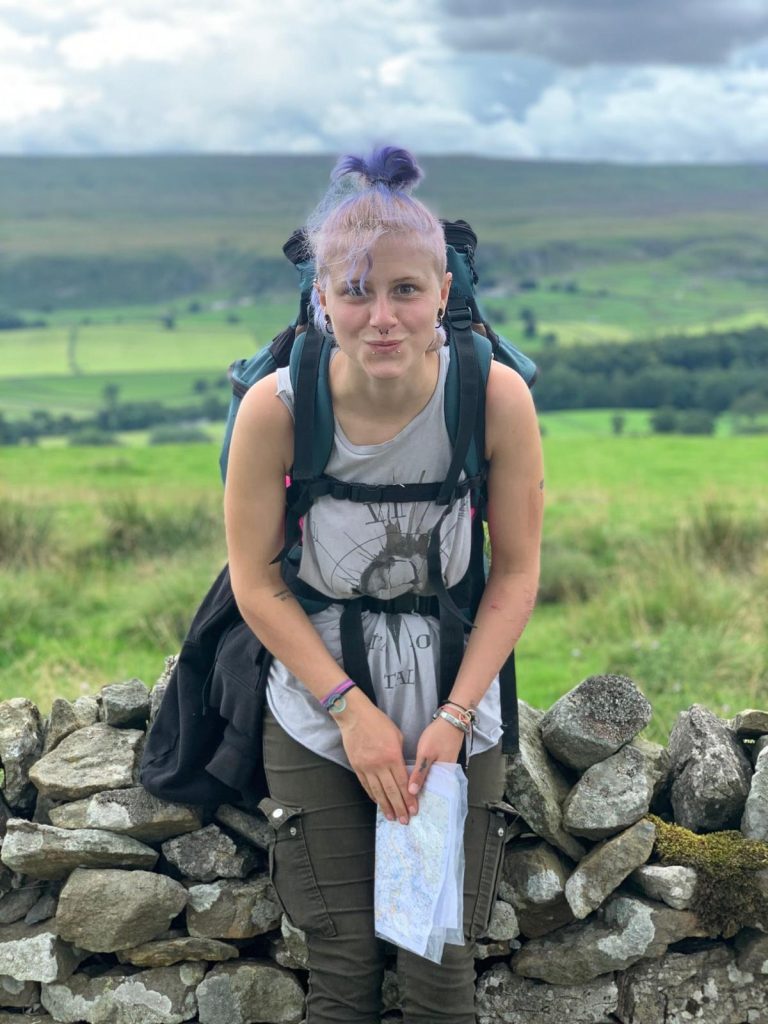
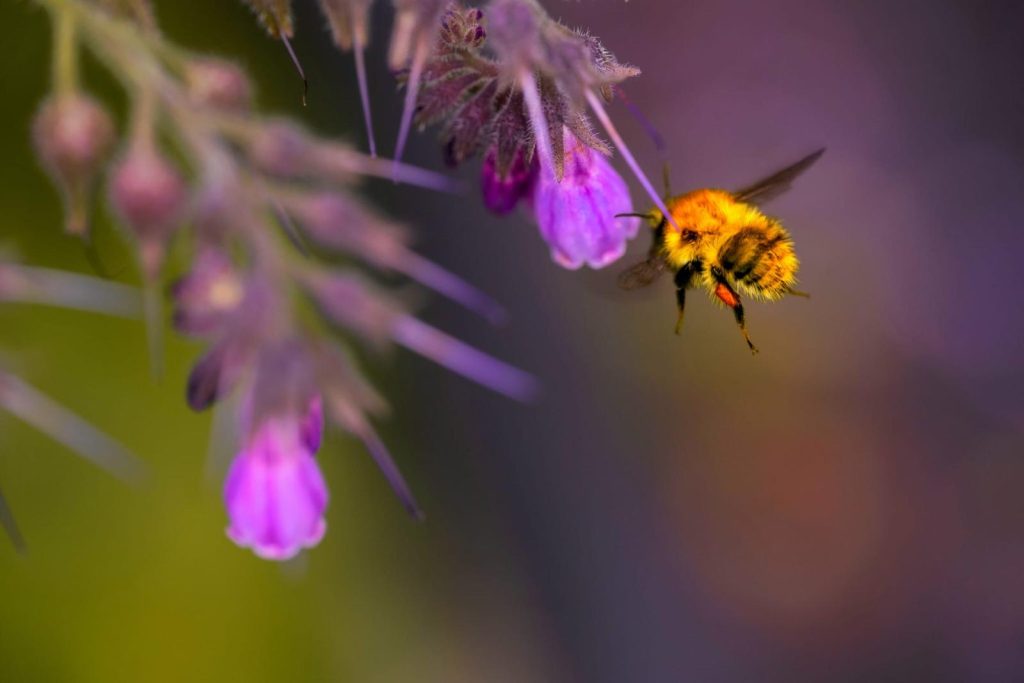
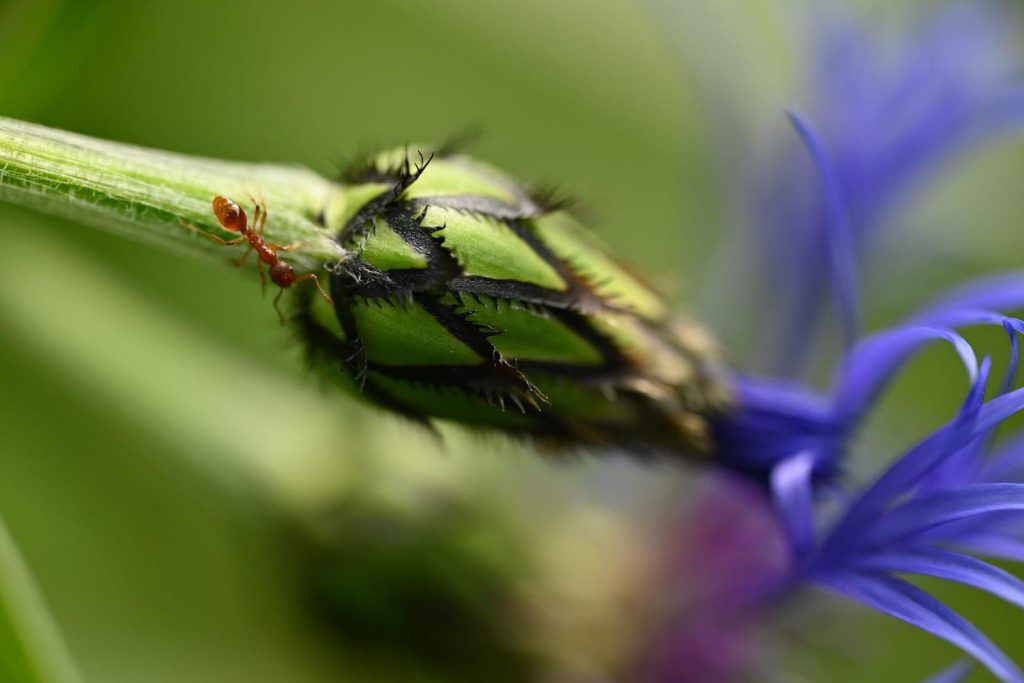
Meet Emma, a talented local photographer who is capturing some beautiful images of wildlife on St Margaret’s Allotments. Her photography will add real interest to our website and Facebook pages so look out for them and, if you meet Emma on site, please make her feel welcome. Also keep sending in your own snaps.
We are incredibly grateful to the Nineveh Charitable Trust who have awarded St Margaret’s Allotments the amazing sum of £4000 to contribute to our site upgrade works. The works include enhancing access for all , path and hedge restoration and site furniture.
Many thanks to the Trust and one and all for their efforts.
Please follow the link to see all the incredible work the Trust are involved with : The Nineveh Charitable Trust
The RSPB’s latest guidance on what and when to feed garden birds: “Feed seasonally. Feed safely”.
To reduce disease, we all need to make some urgent but simple changes to how we feed our garden birds.
What’s the problem?
Research has shown a worrying decline in some of our much-loved garden birds due to a disease called trichomonosis. This is a highly contagious disease and can spread where birds gather in large numbers such as at bird feeders.
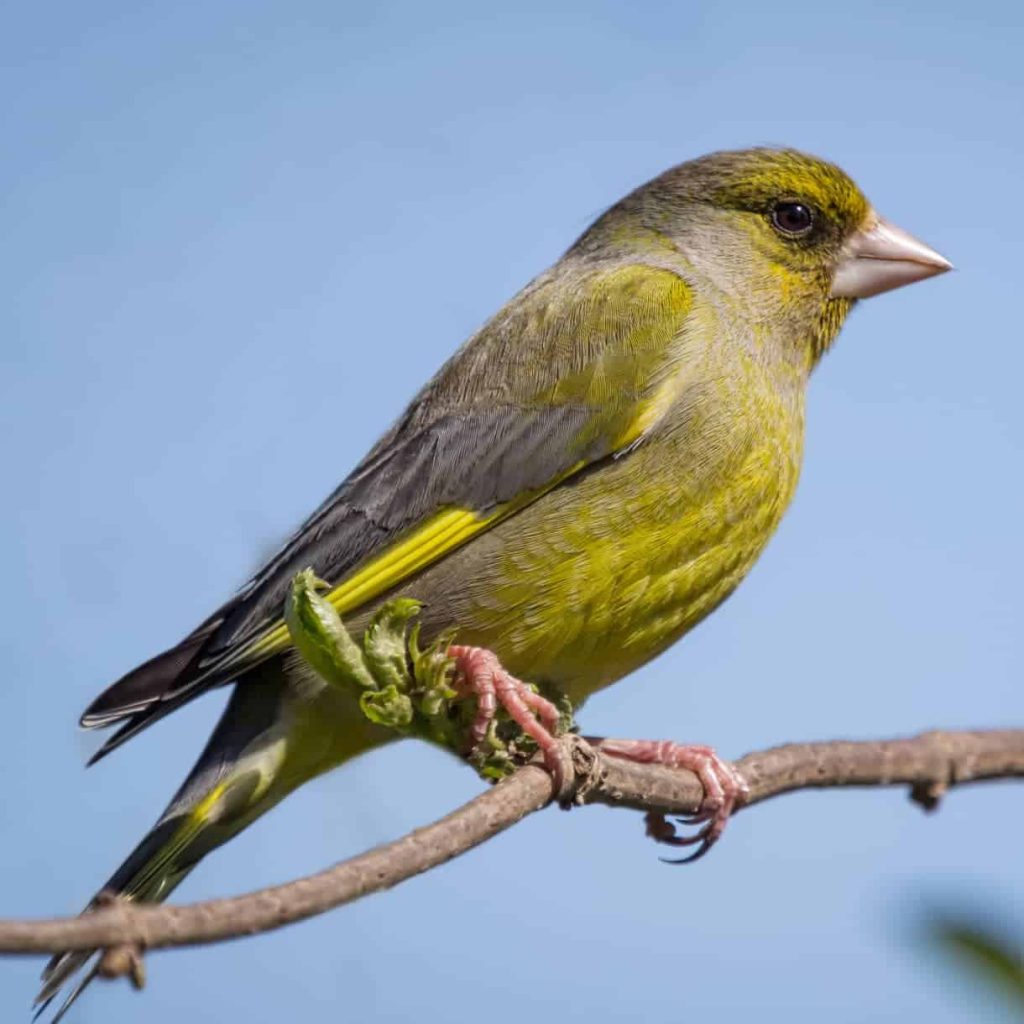
Across the UK, trichomonosis has caused serious declines in Greenfinch and Chaffinch populations and may now be causing a rapid decline amongst Bullfinches. The scientific evidence shows that the risk of trichomonosis outbreaks is highest in summer and autumn.
How you can help
We can help stop the spread of disease among garden birds by making two simple shifts to how we feed birds. Put simply: Feed seasonally. Feed safely.
1. Feed seasonally
During summer and autumn, there’s a higher risk of disease spreading. But it’s also when there are more natural foods available to birds, such as seeds and insects.
1 May to 31 October
Pause filling your bird feeders with seeds or peanuts.
You can continue to offer small amounts of mealworms, fatballs or suet.
1 November to 30 April
You can feed your birds a full range of bird foods, including seeds and peanuts.
2. Feed safely
Busy bird feeders can become hotspots for disease. To help keep birds healthy, it’s vital to keep things clean – which is why we’ve strengthened our existing hygiene guidance. We recommend you:
Clean your bird feeders and water baths at least once a week. Good hygiene is essential. Clean with hot soapy water and disinfect with a non-toxic disinfectant such as Ark-Klens or a mild (5%) bleach solution. Be sure to also clean away any old food or droppings from beneath feeders.
Place your bird feeders in a different spot every week. This will help to prevent any build-up of potentially contaminated debris underneath. If you have more than one feeder, put them in different areas to reduce the number of birds in one place and the mixing of different species.
Avoid putting feeders under places where birds roost, such as under trees. This will help to avoid contamination through droppings.
Don’t use bird feeders with flat surfaces, such as bird tables, window feeders and feeders with trays. Research has confirmed that there’s a higher risk of disease spreading on flat surfaces, where contaminated food can collect.
Feed in moderation. Make sure all the food you put out is eaten within one to two days. Adjust the amount you offer based on demand to avoid overfeeding.
Keep food as dry as possible. Damp food allows disease to survive and spread. Choose feeders that prevent rain getting in and limit condensation.
Change water in bird baths daily. Only offer water if you’re able to change it every day and make sure it’s tap water. A pond is the best way to provide birds and other wildlife with water.
Help birds find their own food. One of the best ways to support garden birds in the long-term is to help them find their own food. So fill your outdoor space with bird-friendly plants – such as sunflowers, teasels and ivy. These help provide natural food sources for birds.
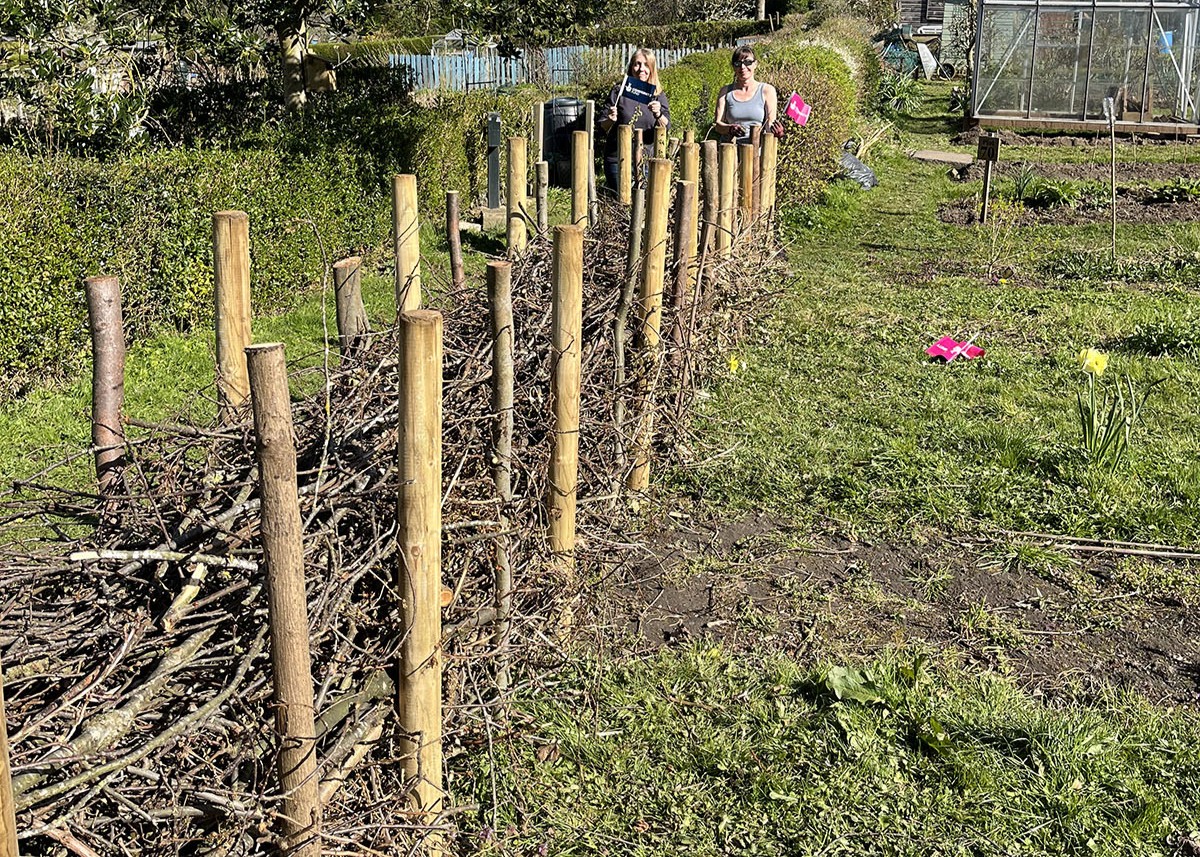
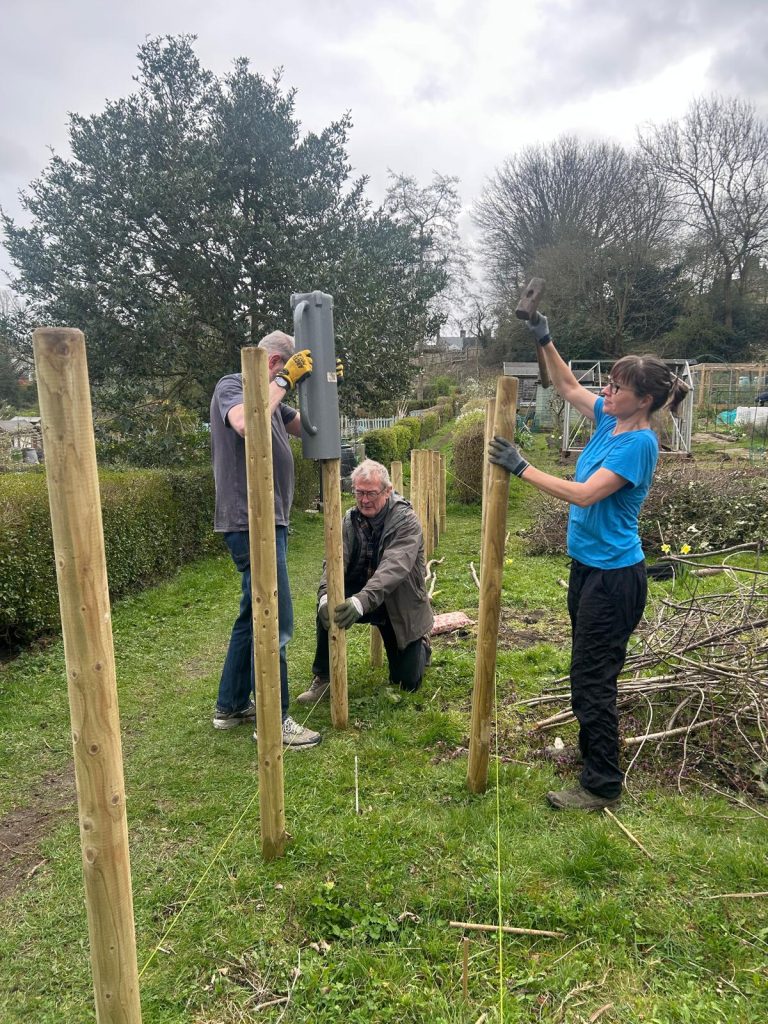
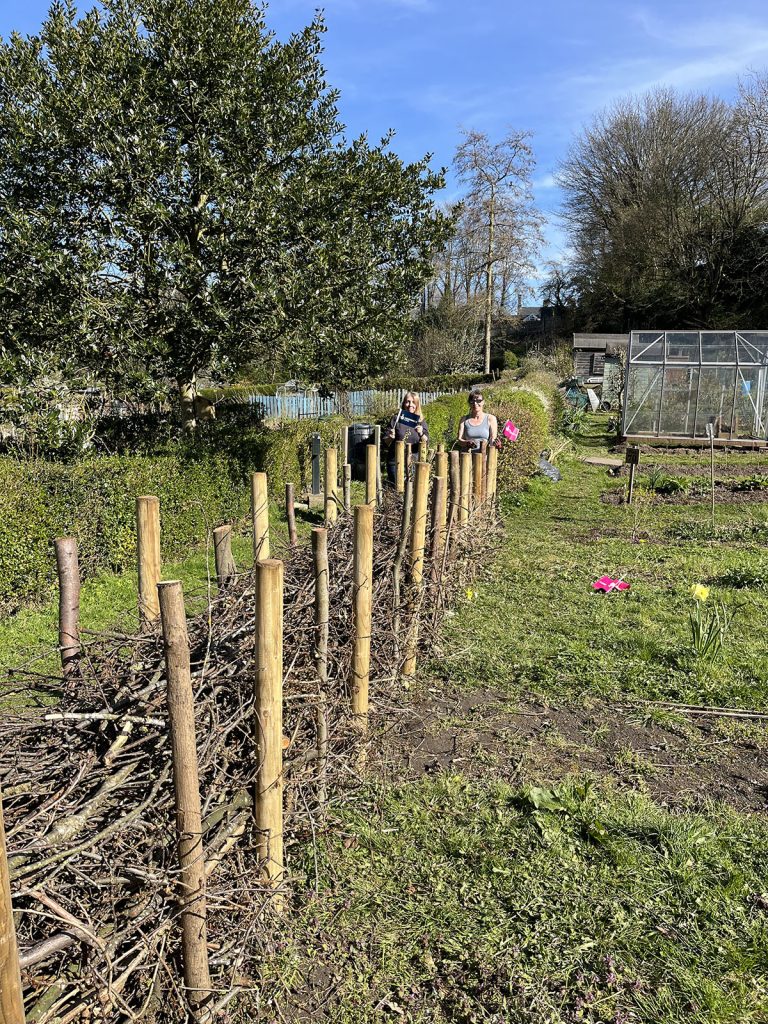
A big thankyou to all the team – Steve, Claire, John, Jill, Sally and Vicky – who assisted with the installation of the ‘dead hedge’ alongside Plot 71 and many thanks to Josh for organising.
Thank you as well to Tommy Minns (Wildwood Treeworks) for providing some of the stakes and assisting with the work.
And we also have to thank the National Lottery Community Fund Grant for supplying the wooden support stakes.
Please continue to add suitable hedge material – anything woody and fibrous like fruit tree/bush pruning, berry canes or rose stems anything that would take long to compost.